Iran Sets Conditions for Reopening the Strait of Hormuz
Tehran has outlined a set of demands tied to the potential reopening of the critical waterway amid ongoing regional tensions.
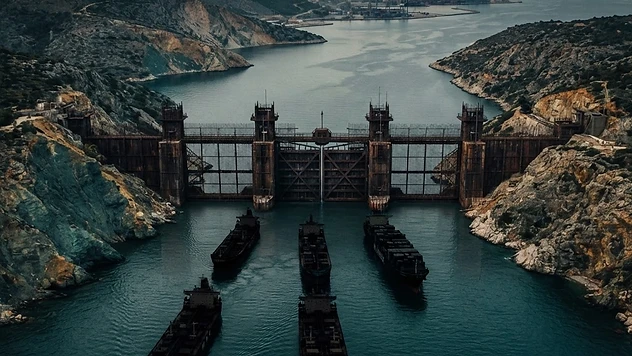
Key points
- Iran has announced conditions for the potential reopening of the Strait of Hormuz.
- The announcement comes amid broader regional tensions and efforts by regional powers to find an off-ramp from conflict.
- The situation remains developing and key details of the conditions have not been fully confirmed.
Why it mattersThe Strait of Hormuz is one of the world's most critical oil shipping chokepoints. Any disruption or conditional reopening of the waterway carries significant implications for global energy markets and regional security.
Iran has prepared a list of conditions tied to the potential reopening of the Strait of Hormuz, according to a report published by Informat.ro on August 29, 2026. The announcement comes as regional tensions remain elevated and the situation continues to develop.
The specific terms of Iran's conditions were not fully detailed in available reporting as of publication. Informat.ro reported that Tehran is imposing demands as part of any arrangement that could see the strategically vital waterway reopened, though the precise nature of those demands has not been confirmed in full.
The move follows broader diplomatic activity in the region. HNG News reported on August 28, 2026 that regional powers are actively seeking an off-ramp from the Iran conflict, describing a range of Middle East developments unfolding in parallel with the Hormuz situation.

The Strait of Hormuz connects the Persian Gulf to the Gulf of Oman and is a transit point for a substantial portion of the world's seaborne oil exports. Any closure or conditional access to the waterway affects energy supply chains across Europe, Asia and beyond.
Who would be party to any negotiations over Iran's conditions, and on what timeline discussions might proceed, remains unconfirmed. This story is still developing and key facts surrounding the full scope of Iran's demands and the responses of other parties have not been independently verified as of the time of publication.
Reported by
- Informat.ro — Iran is preparing a list of conditions for the reopening of the Strait of Hormuz · 2026-08-29
- HNG News — Regional powers seek off-ramp from Iran war, and other Middle East developments · 2026-08-28