U.S. Imposes 50% Tariffs on $20 Billion of Canadian Imports as Trade Talks Collapse
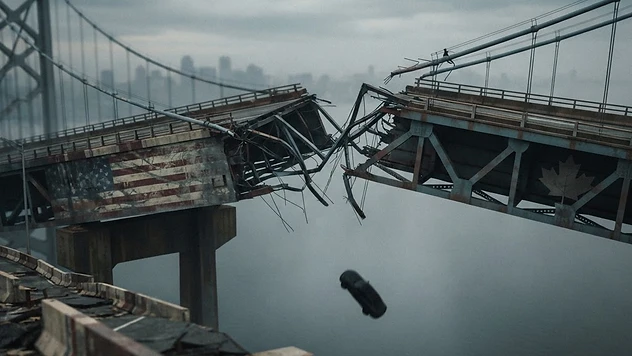
The new duties cover autos and steel, and Canada has signaled it will retaliate after negotiations broke down between the two countries.
Key points
- The U.S. implemented 50% tariffs on $20 billion worth of Canadian imports, including autos and steel.
- Trade negotiations between the U.S. and Canada collapsed ahead of the tariff announcement.
- Canada has stated it will retaliate in response to the new duties.
- Both sides have spread blame for the breakdown in talks, according to PBS.
Why it mattersThe tariffs mark a significant escalation in the U.S.-Canada trade relationship, affecting major industries such as autos and steel. A retaliatory response from Canada could deepen the dispute and have broad consequences for cross-border supply chains and prices in both countries.
The United States has imposed 50% tariffs on approximately $20 billion worth of Canadian imports, including automobiles and steel, following the collapse of trade negotiations between the two countries. The duties took effect as diplomatic efforts to resolve a widening trade dispute broke down, with both sides distributing blame for the failure, PBS reported on August 22, 2026.
The tariff hike on Canadian autos was announced by President Trump, according to CNBC, which reported on August 24, 2026 that the move represented a further escalation in an ongoing trade war between the United States and its northern neighbor. The auto sector is among the most deeply integrated across the two countries' shared border, making the new duties particularly consequential for manufacturers and workers on both sides.
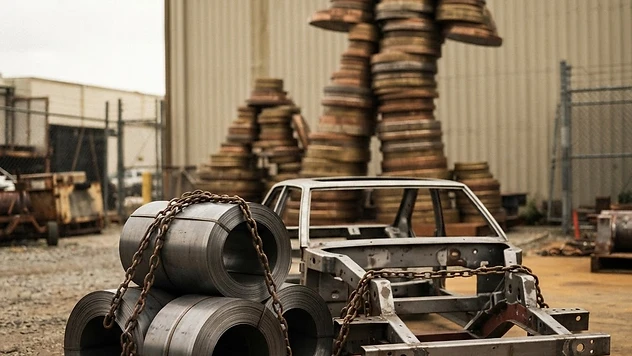
Steel imports from Canada are also subject to the new 50% rate, adding pressure to an industry that has already navigated multiple rounds of trade restrictions in recent years. The $20 billion figure cited by PBS encompasses a range of Canadian goods now facing the elevated tariff barrier.
Canada has said it will retaliate, though the specific measures and timeline for any counter-tariffs had not been confirmed as of the most recent reporting. PBS noted that blame for the collapse of negotiations was spread between the two governments, and the story remained developing as of August 22, 2026.
The escalation follows a pattern of tit-for-tat trade actions that have strained relations between Washington and Ottawa. With talks having broken down and both governments signaling firm positions, the path to a negotiated resolution was unclear based on available reporting.